What Skills Do Personal Care Assistants Need?
A Personal Care Assistant (PCA) plays a vital role in helping seniors, individuals with disabilities, and people recovering from illness live safely and comfortably in their own homes. While PCA training teaches the technical aspects of caregiving, becoming an exceptional caregiver requires much more than completing a certification program.
The best Personal Care Assistants combine practical healthcare knowledge with compassion, patience, communication, and professionalism. These skills not only improve the quality of care provided but also help build trust with clients and their families.
If you’re considering a career as a Personal Care Assistant, understanding the essential skills you’ll need can help you prepare for long-term success. This guide explores the most important qualities and abilities every PCA should develop.
Why Skills Matter in Personal Care
Unlike many professions, Personal Care Assistants work closely with clients during some of the most personal moments of their daily lives. Whether helping with bathing, preparing meals, assisting with mobility, or simply offering companionship, every interaction has the potential to improve a person’s comfort, confidence, and well-being.
Strong caregiving skills help Personal Care Assistants:
- Deliver safe, high-quality care
- Build meaningful relationships with clients
- Increase client independence
- Prevent accidents and injuries
- Improve communication with families
- Enhance career opportunities
- Earn employer trust and confidence
Healthcare employers value caregivers who possess both technical knowledge and strong interpersonal skills.
1. Compassion
Compassion is perhaps the most important quality every Personal Care Assistant should possess.
Clients often rely on caregivers during challenging periods of their lives. They may be recovering from surgery, managing chronic illnesses, or coping with the physical changes that come with aging. A compassionate caregiver understands these challenges and treats every client with kindness, empathy, and respect.
Compassion means:
- Listening without judgment
- Respecting personal dignity
- Offering encouragement
- Showing patience during difficult moments
- Supporting emotional well-being
Clients remember how caregivers make them feel, making compassion an essential part of quality care.
2. Excellent Communication Skills
Clear communication is one of the most valuable skills for any healthcare professional.
Personal Care Assistants communicate daily with:
- Clients
- Family members
- Supervisors
- Nurses
- Home healthcare agencies
- Other caregivers
Effective communication helps prevent misunderstandings and ensures clients receive consistent care.
Important communication skills include:
- Active listening
- Speaking clearly
- Asking appropriate questions
- Providing accurate updates
- Documenting observations
- Explaining tasks patiently
Good communication also helps build trust between caregivers and clients.
3. Patience
Every client has unique physical, emotional, and cognitive needs. Some individuals complete daily tasks quickly, while others require additional time and encouragement.
Patience allows caregivers to:
- Avoid frustration
- Provide calm reassurance
- Support individuals with memory loss
- Assist clients with mobility challenges
- Create a positive caregiving environment
Remaining patient improves both client satisfaction and caregiver effectiveness.
4. Personal Care Skills
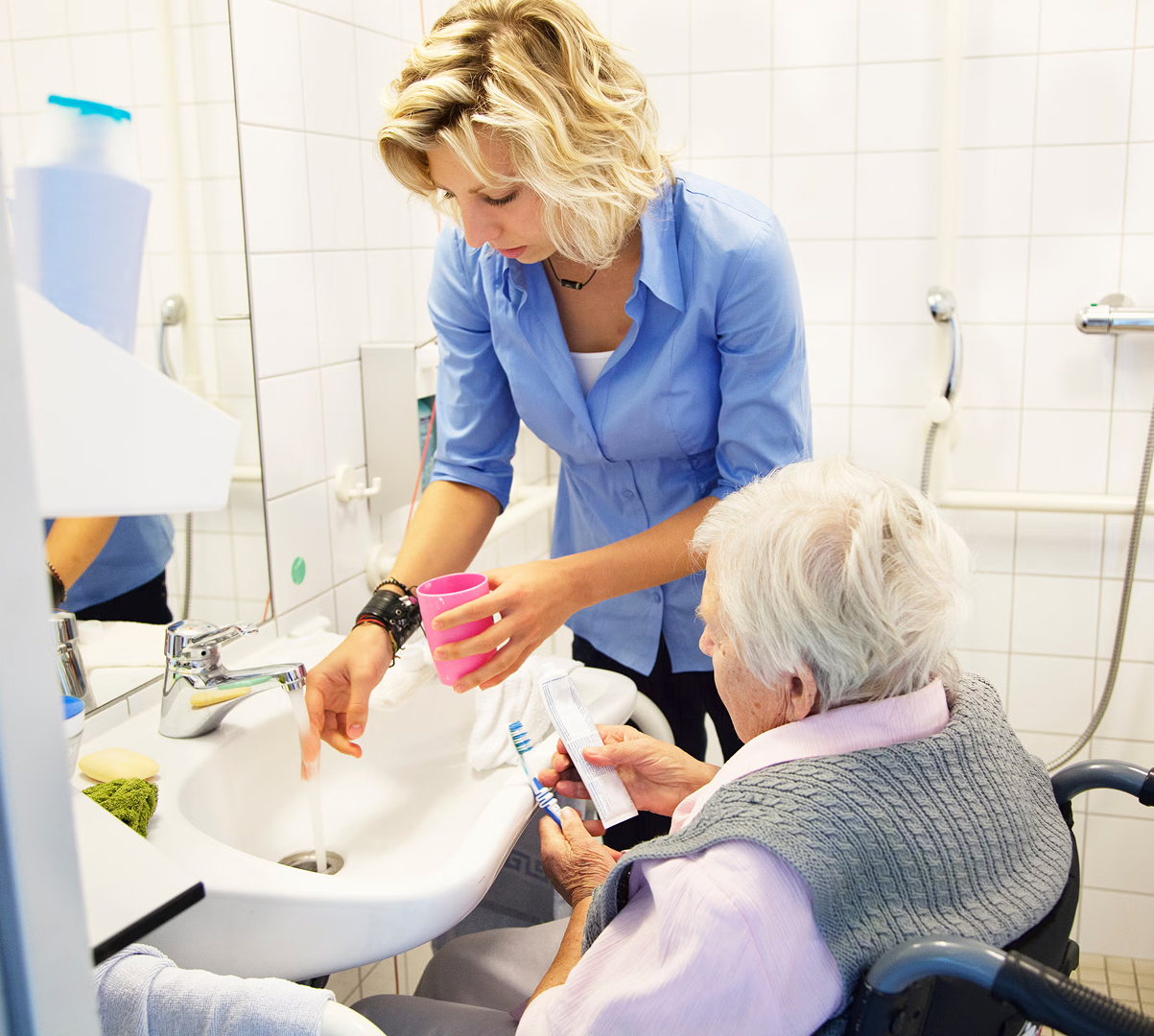
One of the primary responsibilities of a Personal Care Assistant is helping clients with Activities of Daily Living (ADLs).
These include:
- Bathing
- Dressing
- Grooming
- Toileting
- Oral hygiene
- Hair care
- Skin care
Providing personal care requires sensitivity, professionalism, and respect for each client’s privacy and independence.
Proper PCA training teaches safe and effective techniques that prioritize comfort and dignity.
5. Observation Skills
Personal Care Assistants spend significant time with clients and are often the first to notice changes in their health or behavior.
Strong observation skills allow caregivers to recognize:
- Changes in appetite
- Mood changes
- Increased confusion
- Difficulty walking
- Swelling
- Skin changes
- Unusual fatigue
- Signs of illness
Reporting these observations promptly helps healthcare professionals respond before minor issues become serious.
6. Physical Stamina
Caregiving is an active profession that often involves:
- Standing for extended periods
- Walking throughout the day
- Helping clients transfer safely
- Assisting with mobility
- Light housekeeping
- Carrying groceries
- Meal preparation
Maintaining good physical health enables caregivers to perform these duties safely while reducing the risk of injury.
Learning proper body mechanics during training is essential for protecting both caregivers and clients.
7. Time Management
Personal Care Assistants frequently assist multiple clients or complete several responsibilities during a single visit.
Strong time management skills help caregivers:
- Arrive on schedule
- Complete daily care tasks
- Prepare meals efficiently
- Organize medications
- Maintain documentation
- Balance multiple responsibilities
Good organization contributes to better client outcomes and greater job satisfaction.
8. Professionalism
Professional behavior is essential in every healthcare setting.
Personal Care Assistants should always demonstrate:
- Respect
- Honesty
- Reliability
- Confidentiality
- Ethical decision-making
- Appropriate appearance
- Positive attitude
Families place tremendous trust in caregivers. Maintaining professionalism strengthens that trust and enhances your reputation.
9. Safety Awareness
Client safety is a top priority.
Personal Care Assistants help reduce risks by recognizing hazards before accidents occur.
Important safety practices include:
- Preventing falls
- Keeping walkways clear
- Using mobility equipment correctly
- Practicing infection prevention
- Following emergency procedures
- Monitoring home safety
A strong understanding of safety protocols protects everyone involved.
10. Basic Nutrition Knowledge
Many clients depend on caregivers to prepare healthy meals and encourage proper nutrition.
Personal Care Assistants should understand:
- Balanced meal planning
- Food safety
- Hydration
- Dietary restrictions
- Portion control
Healthy nutrition supports healing, energy, and overall wellness.
11. Flexibility and Adaptability
Healthcare environments change constantly.
Caregivers may encounter:
- New clients
- Different schedules
- Unexpected medical situations
- Changing care plans
- Family requests
Adaptability helps caregivers remain calm while providing consistent, high-quality care.
12. Emotional Intelligence
Emotional intelligence involves recognizing and understanding both your own emotions and those of others.
This skill allows caregivers to:
- Build stronger relationships
- Respond with empathy
- Reduce stress
- Resolve conflicts
- Improve client comfort
Clients often experience loneliness, anxiety, or frustration. Emotionally intelligent caregivers provide reassurance during difficult moments.
13. Teamwork
Although many Personal Care Assistants work independently in clients’ homes, they are still part of a larger healthcare team.
Successful caregivers collaborate with:
- Nurses
- Physicians
- Supervisors
- Therapists
- Social workers
- Family members
Sharing accurate information ensures continuity of care.
14. Problem-Solving Skills
Unexpected situations happen every day.
Examples include:
- Missed medications
- Client falls
- Equipment issues
- Transportation delays
- Changes in health conditions
Strong problem-solving skills help caregivers make safe decisions while following established care plans and reporting concerns appropriately.
15. Commitment to Lifelong Learning
Healthcare is constantly evolving.
Successful caregivers continue learning through:
- Additional certifications
- Continuing education
- Safety training
- CPR courses
- Employer workshops
- Professional development
Ongoing education improves caregiving skills and creates opportunities for career advancement.
How PCA Training Helps Develop These Skills
A professional training program does more than teach textbook knowledge.
Students gain practical experience through:
- Hands-on demonstrations
- Classroom instruction
- Skills evaluations
- Instructor feedback
- Real-world caregiving scenarios
At Med Edify Health Career Training Academy, students receive guidance from experienced licensed nurses who prepare them for the realities of professional caregiving.
The curriculum focuses on developing both technical abilities and the personal qualities employers seek.
Career Opportunities for Skilled Personal Care Assistants
Personal Care Assistants are employed in many healthcare settings, including:
- Home healthcare agencies
- Private residences
- Assisted living communities
- Residential care homes
- Hospice organizations
- Adult day care centers
As caregivers gain experience, they often pursue additional education to become:
- Certified Nursing Assistants (CNAs)
- Medical Assistants
- Licensed Practical Nurses (LPNs)
- Registered Nurses (RNs)
- Healthcare Administrators
Developing strong caregiving skills creates opportunities for long-term career growth.
Why Choose Med Edify Health Career Training Academy?
Starting your healthcare career begins with choosing the right training provider.
Med Edify Health Career Training Academy offers:
- Experienced licensed nurse instructors
- Affordable tuition
- Hands-on practical learning
- Flexible morning, evening, and weekend classes
- Small class sizes
- Career-focused instruction
- Supportive learning environment
Our goal is to prepare compassionate, confident caregivers who are ready to make a positive impact in their communities.
Frequently Asked Questions
What is the most important skill for a Personal Care Assistant?
Compassion is often considered the most important skill because it helps caregivers build trust, provide emotional support, and treat every client with dignity and respect.
Do Personal Care Assistants need medical experience?
No. Most PCA training programs are designed for beginners and teach the essential skills needed to begin working safely and confidently.
Can communication skills improve patient care?
Yes. Clear communication helps caregivers understand client needs, reduce misunderstandings, improve safety, and strengthen relationships with families and healthcare professionals.
Why is observation important for Personal Care Assistants?
Caregivers often notice changes in a client’s condition before others do. Reporting these observations quickly can help prevent health complications.
Can Personal Care Assistants advance their careers?
Absolutely. Many Personal Care Assistants continue their education to become Certified Nursing Assistants, Licensed Practical Nurses, Registered Nurses, or other healthcare professionals.
How can I develop these caregiving skills?
The best way is through a quality training program that combines classroom instruction with hands-on practical experience. Working with experienced instructors and caring for clients helps build confidence and professional skills.
Final Thoughts
Being a successful Personal Care Assistant requires much more than learning caregiving techniques. It demands compassion, professionalism, communication, patience, safety awareness, and a genuine commitment to improving the lives of others.
Every day, Personal Care Assistants make a meaningful difference by helping clients maintain their independence, dignity, and quality of life. As the demand for home healthcare continues to grow, skilled caregivers will remain an essential part of the healthcare industry.
If you’re ready to begin a rewarding career, Med Edify Health Career Training Academy provides the training, hands-on experience, and expert instruction needed to help you succeed. Our comprehensive Personal Care Assistant program is designed to prepare students with the practical knowledge and confidence required to excel in today’s healthcare field.
Take the first step toward your healthcare career today by enrolling in Med Edify Health Career Training Academy and becoming a compassionate, skilled Personal Care Assistant.