
The demand for qualified Personal Care Assistants (PCAs) continues to grow across Oklahoma as more seniors and individuals with disabilities choose to receive care in the comfort of their own homes. If you’re considering a rewarding healthcare career, becoming a Personal Care Assistant is one of the fastest and most affordable ways to enter the industry.
Unlike many healthcare professions that require years of education, PCA training can often be completed in a matter of weeks. However, it’s important to understand the certification process, training requirements, and employer expectations before getting started.
This guide explains everything you need to know about PCA certification requirements in Oklahoma, from eligibility and training to employment opportunities and career advancement.
What Is a Personal Care Assistant (PCA)?
A Personal Care Assistant provides non-medical support to individuals who need help with daily living activities. Their primary goal is to help clients maintain independence while improving their quality of life.
PCAs commonly assist:
- Seniors
- Individuals with disabilities
- Patients recovering from surgery
- Individuals with chronic illnesses
- Hospice patients
Rather than providing medical treatment, PCAs focus on personal assistance, safety, companionship, and household support.
Is PCA Certification Required in Oklahoma?
One of the most common questions is whether Oklahoma requires a state-issued PCA license.
In many cases, employers require applicants to complete an approved Personal Care Assistant training program, even though statewide licensing requirements may vary depending on the employer, home care agency, or funding program.
Most reputable home care agencies prefer candidates who have completed professional caregiver training because it demonstrates competency, professionalism, and commitment to quality care.
Completing a structured training program also makes candidates more competitive in today’s healthcare job market.
Basic Eligibility Requirements
Most PCA training programs have simple admission requirements.
Students generally should:
- Be at least 18 years old
- Have a government-issued photo ID
- Be legally authorized to work in the United States
- Possess basic English reading and communication skills
- Complete enrollment forms
Some employers may also request:
- Criminal background screening
- Drug testing
- Tuberculosis (TB) screening
- CPR certification
- Immunization records
Requirements vary by employer and healthcare agency.
Enroll in a Professional PCA Training Program
The first step toward certification is enrolling in a reputable Personal Care Assistant training program.
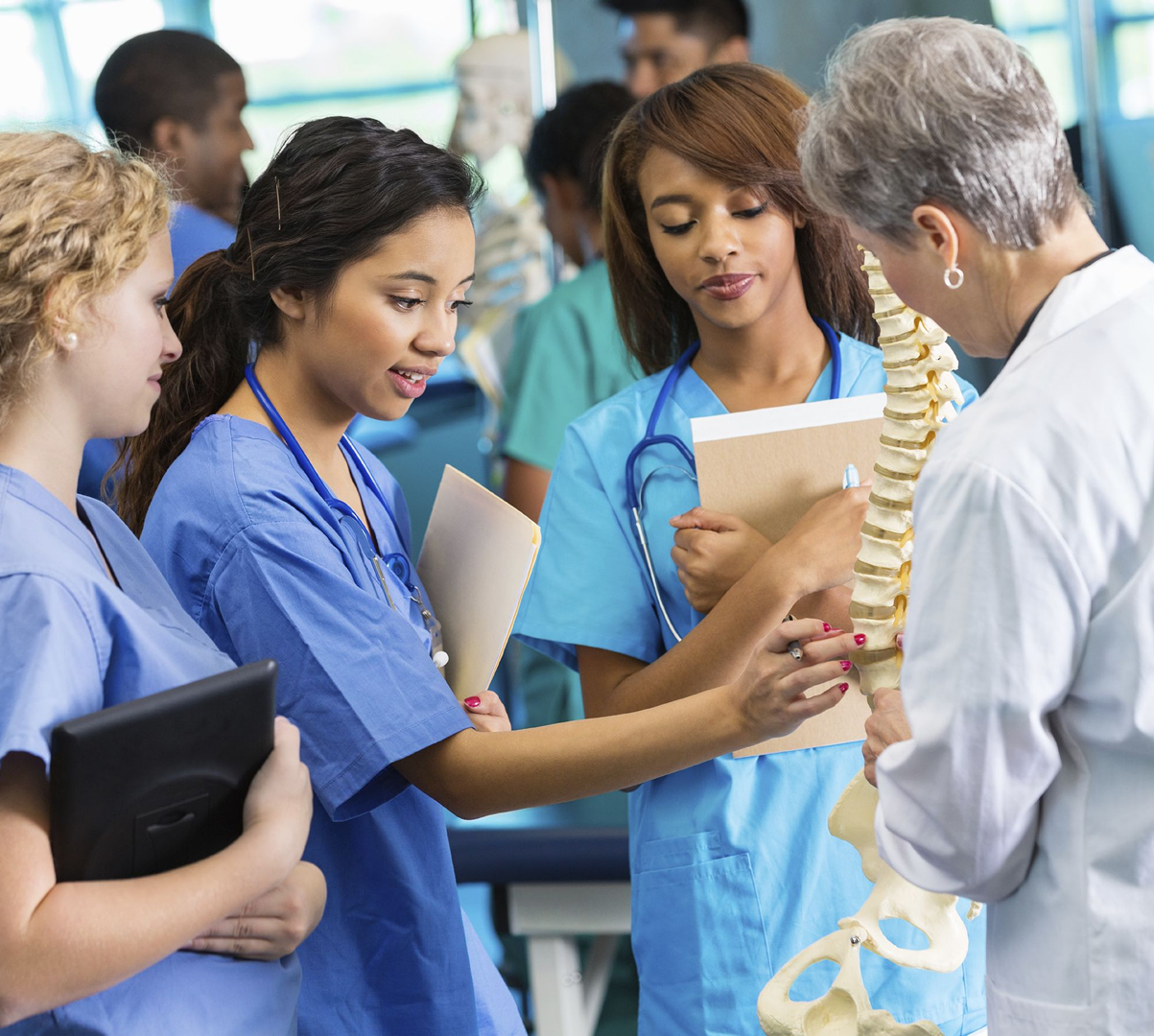
At Med Edify Health Career Training Academy, students receive a combination of classroom education and hands-on practical instruction designed to prepare them for real-world caregiving.
Training focuses on both technical skills and compassionate patient care.
Students gain confidence while learning under experienced licensed healthcare professionals.
What Does PCA Training Include?
A comprehensive training program covers the essential knowledge every caregiver needs.
Common course topics include:
Personal Care Skills
Students learn how to assist clients with:
- Bathing
- Grooming
- Dressing
- Oral hygiene
- Toileting assistance
Respecting client dignity and independence remains a central focus throughout training.
Infection Prevention
Understanding infection control helps protect both caregivers and clients.
Students learn:
- Proper handwashing
- Personal protective equipment (PPE)
- Cleaning procedures
- Safe handling practices
Nutrition and Meal Preparation
Nutrition plays an important role in overall health.
Training includes:
- Meal planning
- Food safety
- Hydration awareness
- Dietary assistance
Mobility Assistance
Helping clients move safely requires proper body mechanics.
Students practice:
- Safe transfers
- Walking assistance
- Fall prevention
- Wheelchair safety
Communication Skills
Successful caregivers build trust through effective communication.
Students develop skills for:
- Active listening
- Patient interaction
- Family communication
- Professional reporting
Emergency Awareness
Although PCAs do not provide advanced medical treatment, they must recognize emergencies and respond appropriately.
Training covers:
- Emergency procedures
- Accident prevention
- Basic safety awareness
- Reporting emergencies
Hands-On Skills Evaluation
Professional training includes practical demonstrations where students apply classroom knowledge.
Skills evaluations may include:
- Proper hand hygiene
- Personal care assistance
- Safe lifting techniques
- Infection control
- Communication scenarios
This practical experience prepares students for employment with confidence.
Flexible Training Options
Many adults entering healthcare balance work and family responsibilities.
That’s why quality training academies offer flexible schedules, including:
Morning Classes
Ideal for students available during the day.
Evening Classes
Perfect for working professionals.
Weekend Classes
Allow students to complete training without disrupting weekday commitments.
Flexible scheduling makes healthcare education more accessible for everyone.
Benefits of Becoming Certified
Although employer requirements vary, completing professional caregiver training provides many advantages.
These include:
Better Employment Opportunities
Employers prefer trained caregivers who require less onboarding.
Increased Confidence
Professional instruction helps students feel prepared before working with clients.
Higher Professional Standards
Training teaches proper caregiving techniques that improve patient safety.
Career Advancement
Certification creates opportunities for future healthcare education.
Many graduates continue into:
- Certified Nursing Assistant (CNA)
- Medical Assistant
- Licensed Practical Nurse (LPN)
- Registered Nurse (RN)
Where Can Certified PCAs Work?
Qualified caregivers enjoy diverse employment opportunities.
Common workplaces include:
- Home healthcare agencies
- Private homes
- Assisted living communities
- Residential care facilities
- Hospice organizations
- Adult day care centers
Some caregivers also work independently for private families.
Essential Qualities of a Successful PCA
Technical knowledge alone isn’t enough.
Great caregivers possess important personal qualities.
Compassion
Treating every client with kindness and respect.
Patience
Understanding that every individual has unique needs.
Reliability
Showing up consistently builds trust with families.
Communication
Keeping clients, families, and supervisors informed.
Physical Stamina
Many caregiving tasks require standing, walking, and assisting clients safely.
Professionalism
Maintaining confidentiality and ethical standards is essential.
Career Outlook in Oklahoma
Healthcare remains one of Oklahoma’s fastest-growing employment sectors.
Factors driving demand include:
- Aging population
- Growth in home healthcare
- Increased life expectancy
- Greater preference for aging in place
As more individuals choose home-based care, qualified Personal Care Assistants will continue to be in high demand.
Why Choose Med Edify Health Career Training Academy?
Choosing the right training provider is one of the most important decisions you’ll make.
Med Edify Health Career Training Academy offers:
- Licensed nurse instructors
- Hands-on classroom learning
- Affordable tuition
- Small class sizes
- Flexible morning, evening, and weekend schedules
- Career-focused instruction
- Student-centered learning environment
Our goal is to prepare compassionate caregivers who are confident and ready for today’s healthcare workforce
Frequently Asked Questions
Do I need previous healthcare experience?
No. Most PCA programs are designed for beginners with no prior healthcare background.
How long does PCA training take?
Many Personal Care Assistant programs can be completed in approximately 32 hours, depending on the training provider.
Is PCA certification required by every employer?
Requirements vary. However, most reputable home care agencies prefer applicants who have completed formal caregiver training.
Can I work immediately after completing training?
Many graduates begin applying for caregiving positions after successfully completing their training and meeting employer-specific hiring requirements.
Is PCA training difficult?
Most students find the program manageable because it combines classroom learning with practical demonstrations and instructor guidance.
Can becoming a PCA lead to other healthcare careers?
Absolutely. Many caregivers continue their education to become Certified Nursing Assistants, Medical Assistants, Licensed Practical Nurses, or Registered Nurses.
Start Your Healthcare Journey Today
A career as a Personal Care Assistant offers more than just employment, it provides the opportunity to improve lives every day. By helping seniors and individuals with disabilities maintain their independence, PCAs make a meaningful difference in their communities.
Completing a professional training program is the first step toward building a rewarding healthcare career. With expert instruction, practical experience, and flexible scheduling, Med Edify Health Career Training Academy prepares students for success in today’s growing healthcare industry.
Whether you’re starting your first career or looking for a meaningful career change, now is an excellent time to begin your journey toward becoming a compassionate and skilled Personal Care Assistant.